
Raising a collective indigenous voice in support of Israel, locally and internationally,
through education and cultural engagement
Articles







TAGS
- Gaza
- Hamas
- Indigeneity
- Antisemitism
- Israel Palestinian Conflict
- Zionism
- Indigenous
- Israel
- Israeli Ambassador
- Nanaia Mahuta
- Ngapuhi
- BDS
- Ayun Kara
- Abraham Accords
- Jerusalem
- video
- Debbie Ngarewa-Packer
- Pat Ruka
- Media bias
- Te Arawa
- Holocaust
- terrorism
- Palestine Campaign
- Durban
- Bahrain
- Jewish Indigeneity
- Shireen Abu Akleh
- Te Pati Maori
- Palestinians
- Jacinda Ardern
- apartheid
- Te Reo
- John Minto
- PalestineCampaign
- indigenous Jews
- Dead Sea Guardians
- War
- Refugees
- Peace Flotilla
- Dov Bing
- Ran Yaakoby
- Benny Morris
- Stuff
- Dead Sea
- UAE
- Times of Israel
- Alfred Ngaro
- Māori Queen
- Genocide
- Human Rights
- Auschwitz
- Colonisation
- Sheree Trotter
- Balfour Declaration
- Media Release
- Hon Alfred Ngaro
- UN 2007 Declaration on the Rights of Indigneous Peoples
- Māori King
- Boycott
- Jewish Jerusalem
- RadioNZ
- Israel support groups
- Dr Saba Soomekh
- Rawabi
- World War One
- Temple Mount
- University Funding
- Chris Trotter
- Cherokee
- Tauhara North NO.2. Trust
- West Jerusalem
- Waikato
- NZ Herald
- GolrizGrahaman
- Israel Cohen
- Māori language
- Ben Kepes
- NZ Mounted Rifles
- History of Israel
- Narendra Modi
- Waitangi Day
- homeland
- Deir Yassin
- Ahi Kaa
- Innovation
- COP 27
- West Bank
- October 7
- Beersheva
- Super Fund
- Holy City
- Poland
- Czarist Russia
- Brad Haami
- Green Party
- innovation
- Basic Law
- Indigenous Australian
- Statement
- Iwi/Israel
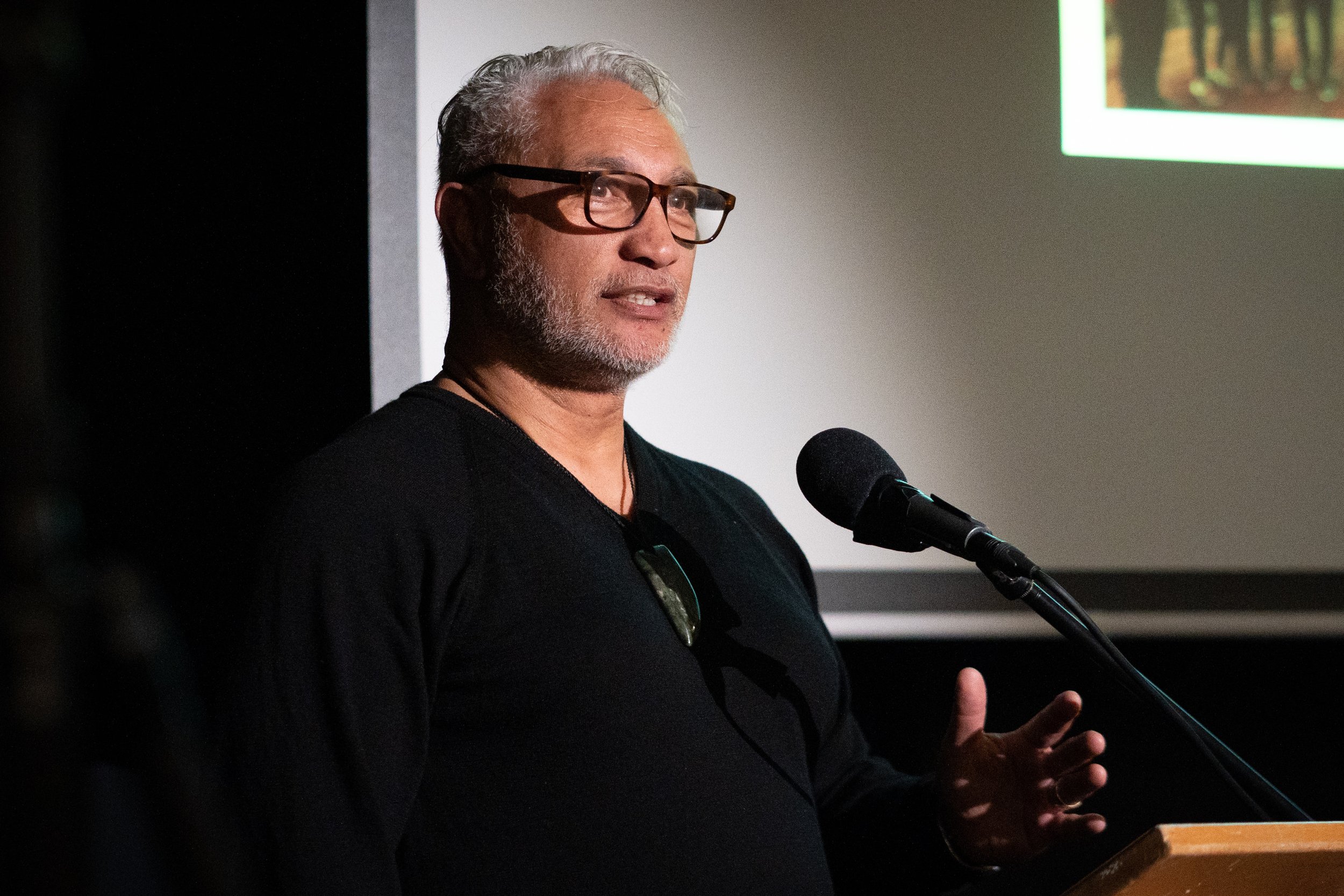
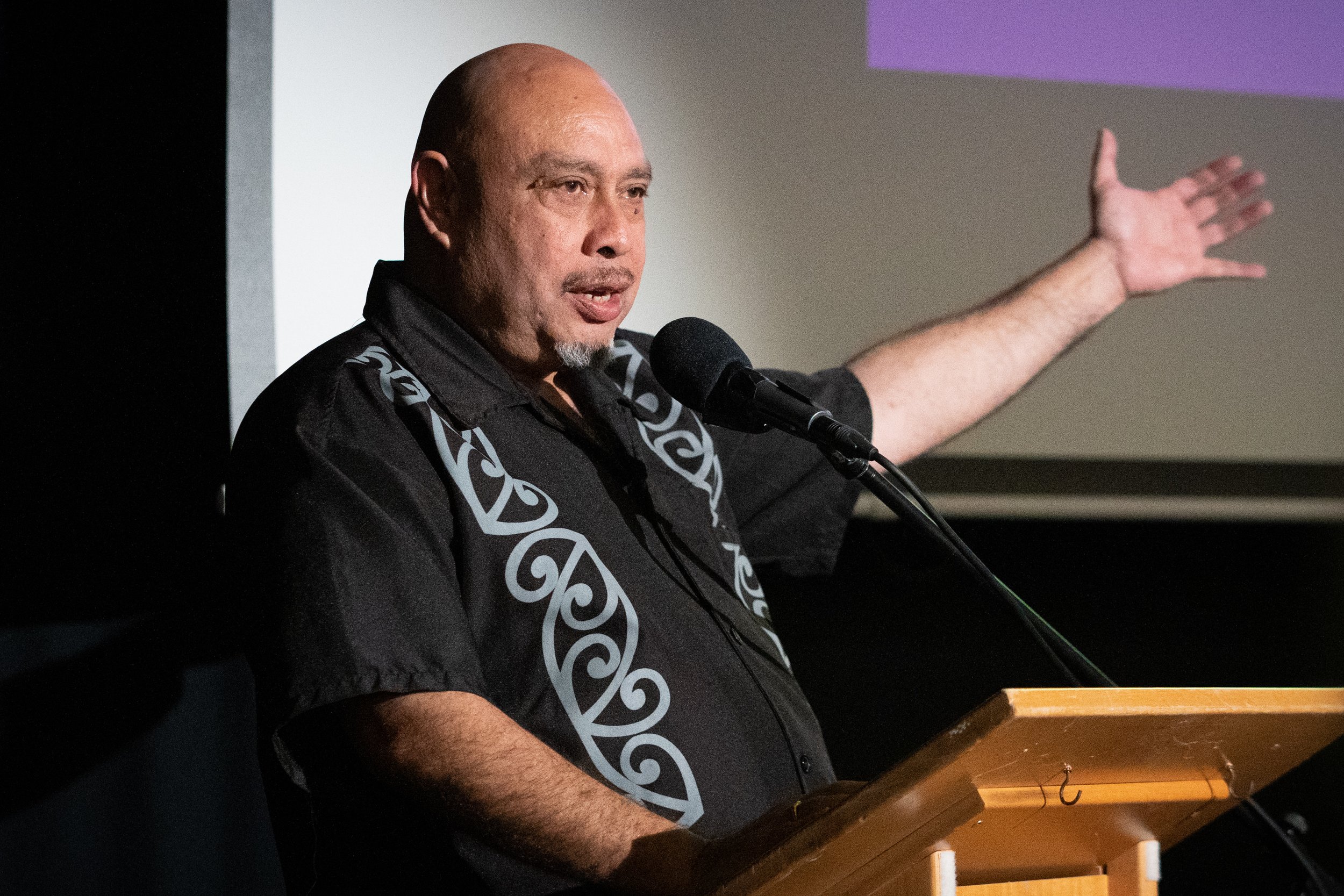
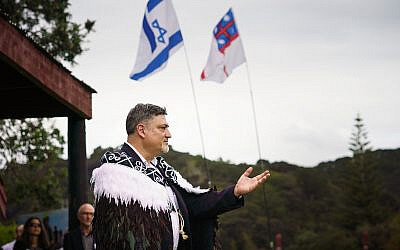
Brad Haami discusses the way in which Māori in the nineteeth century identified with the Jewish Biblical stories and how Hebrew names were adopted in the naming of persons and became embedded in the whenua (land). He begins with a discussion of the symbolism and meanings of the olive tree, from the Scriptures.